

When support workers change constantly, everything takes longer and everything is harder. Preferences have to be explained again. Boundaries have to be re-established. Routines get disrupted. Anxiety creeps in. And for people who depend on consistency, whether that’s because of autism, a learning disability, mental health needs or a physical condition, that unpredictability has a real and daily cost.

At Happiest at Home, our disability support is built around continuity. We match you with a dedicated CarePal: someone who understands you, your routine and what good support looks like for you specifically. Not a rotation of strangers. The same trusted person, consistently, over time.

This service supports adults with a wide range of needs, including:

  • Physical disabilities, including conditions affecting mobility, strength, coordination or stamina
  • Learning disabilities, where structure, patience and consistent communication make all the difference
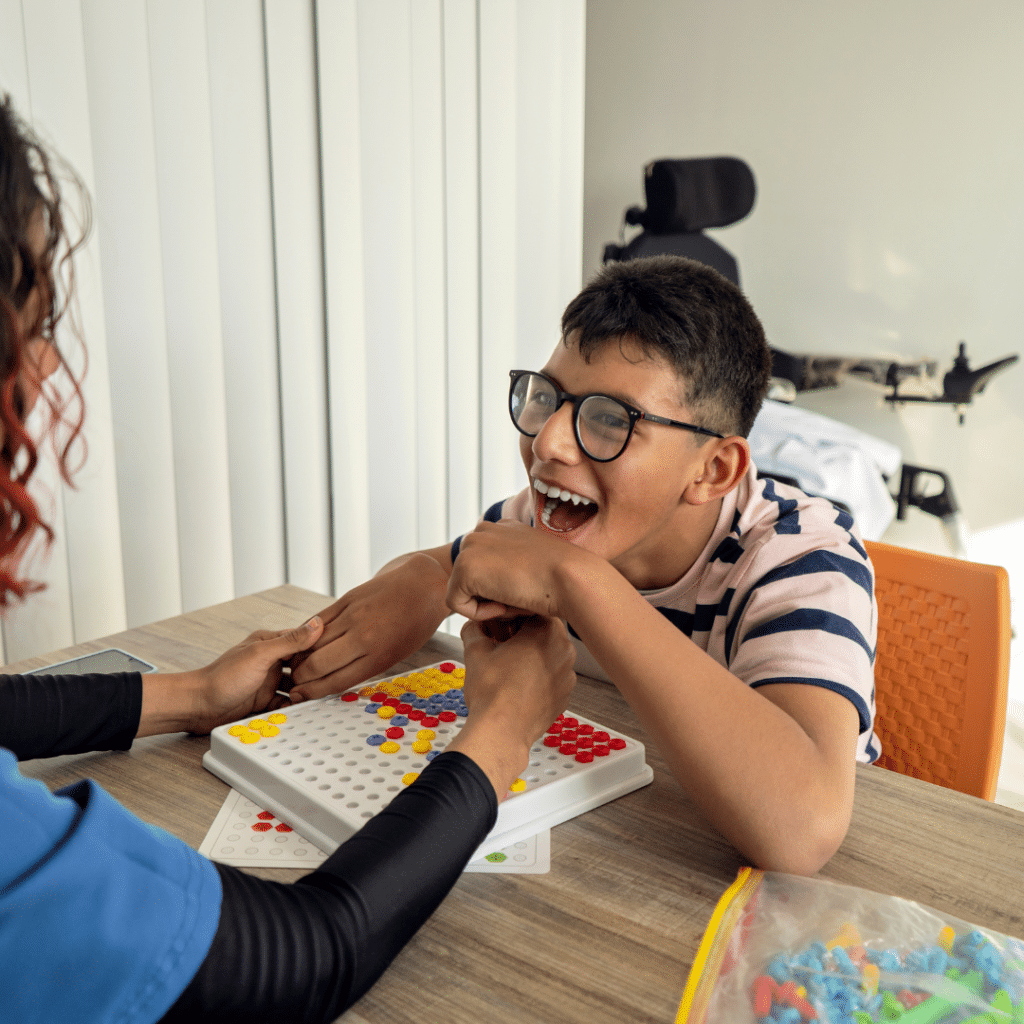
  • Autism, where routine, predictability and the right personal match are essential to positive support
  • Acquired disabilities, from injury, stroke, neurological conditions or progressive illness
  • Mental health needs, where reliable, calm, non-judgmental support helps maintain stability and independence
  • Complex or combined needs, where generic care doesn’t work and a genuinely tailored approach is needed

This service is also for the families, carers and case managers who support these individuals, and who know that the person behind the package matters just as much as the tasks on the list.

What your CarePal can help with

  • Daily living support. Personal care, dressing, meals, medication prompts, delivered with dignity and at the right pace
  • Routine and structure. Building and maintaining a consistent daily rhythm that reduces anxiety and increases confidence
  • Enabling and skills-building. Supporting independence where possible, not doing things for people that they can do for themselves
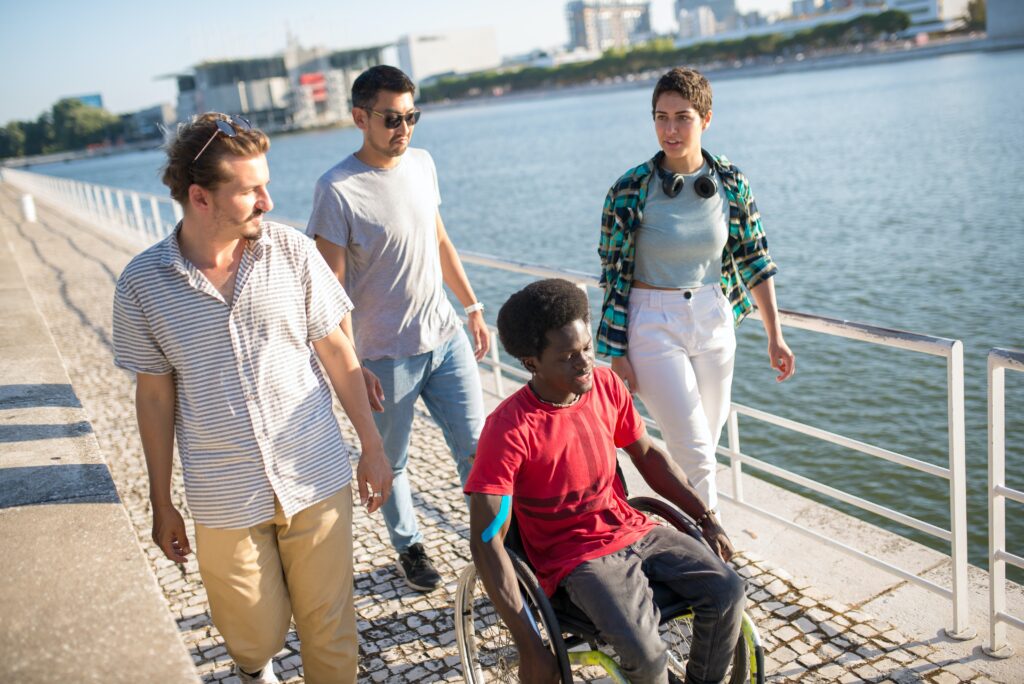
  • Community access. Getting out, attending appointments, accessing social opportunities and activities
  • Communication support. Adapting to individual communication styles and preferences, including non-verbal communication
  • Positive behaviour support. Consistent, calm approaches that reduce distress and improve engagement
  • Family coordination. Working alongside family members and other professionals as part of a joined-up team
  • Respite for family carers. Stepping in reliably so the people who care most can rest

Why the right match changes everything

Skills and qualifications matter. But in disability support, the relationship between the person and their CarePal matters more than almost anything else.

We spend time understanding the whole person before we start matching. Not just their care needs, but their personality, their communication style, what calms them and what doesn’t, what they find funny, what their goals are, what their family wants for them. We look for a CarePal who connects as a person, not just one who is technically available.

That human fit is what transforms support from something tolerated into something that actually works.

CarePal

For families and professionals

Whether you’re a family member arranging support for a loved one, a case manager building a package, or a deputy seeking consistent staffing, we understand the specific challenges of disability support recruitment and delivery.

We work with you throughout the matching process. You know the person best. We want you involved, not sidelined.

Getting started

  1. A friendly chat. Tell us about the person: their needs, their routine, what’s worked before and what hasn’t
  2. Matching. We identify CarePals suited to the specific needs and personality of the person
  3. CarePal profiles. You review and give input on who seems right
  4. Meet and greet. An introduction at a comfortable pace before support begins
  5. Support starts. Consistent, structured, and built to last

CTA: Talk to us about disability support

happiest at home main brochure
View the Brochure

Frequently Asked Questions

Can you match CarePals with experience of specific conditions?

Yes. We factor condition-specific experience and approaches into the matching process. Tell us what’s important and we’ll be specific.

What if the person finds meeting new people difficult?

We take introductions slowly and sensitively. The meet and greet can be as brief or gradual as needed. We follow the person’s lead.

Can you support someone with complex or combined needs?

Yes. We work with individuals whose needs don’t fit neatly into a single category. Tell us the full picture and we’ll find the right approach.

Do you work alongside other professionals or case managers?

Absolutely. We’re used to working as part of a broader support team, including case managers, social workers, occupational therapists and family members.

Is support available across the UK?

Yes. We match CarePals to clients nationwide. Get in touch and we’ll confirm availability in your area.

“I live alone and have huge anxiety and self-confidence problems. I have suffered with this horrible condition for my whole adult life and it’s so bad that I struggle to leave the house.

I heard about Happiest at Home and contacted them, as I desperately needed to get out of the house at least once a week to get some fresh air, have a chat and make a new friend.

I now have my Carepal who is called Amanda, she is lovely and takes me out in her car to places like the beach. I should have done this 30 years ago, I have missed out on so much!”

Miss DR - Newcastle